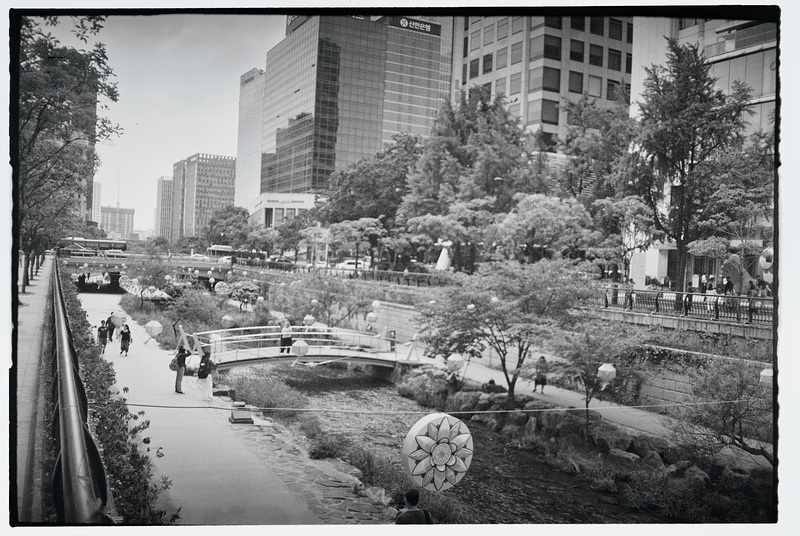
Cheonggyecheon, once a neglected urban waterway, now flows through the heart of Seoul as a remarkable six-kilometre green corridor, revitalised into an urban park that epitomises South Korea’s commitment to progressive city design. Long buried beneath concrete and a thundering elevated highway, the stream was an overlooked relic of the city’s industrial push. It was not until the early 2000s, when a decisive mayor championed its restoration, that the park’s transformation began—unearthing history, restoring nature, and recasting the city’s identity as a place where innovation and heritage might thrive side by side.
The restoration itself was an audacious feat: over just 27 months, the city removed the ageing expressway, reengineered the stream’s flow, and crafted public spaces that draw both locals and travellers. Today, Cheonggyecheon beckons with pedestrian pathways and cultural installations among the willows—a cool oasis where biodiversity has rebounded, temperature has dropped by several degrees, and air quality has noticeably improved. The park’s effect ripples outward, not only providing relief from the concrete jungle but sparking fresh economic activity and turning the surrounding districts into bustling centres of business and recreation.
It is a place that rewards curious wandering, its linear expanse crossing ancient bridges and modern art in equal measure. Here, step off the busy city streets and you’ll find yourself transported: sunlight flickers through leaves above the water, while the hum of a revitalised Seoul unfolds around you. Cheonggyecheon stands as living proof that even the most unremarkable slice of urban life—when reclaimed and reimagined—can inspire a city to reinvent itself and, quite literally, run greener and cooler for generations to come.
 Loading

4 comments
Annemarie said:
m̌ ḫ replied to Annemarie:
Boarischa Krautmo said:
William Sutherland said: